
Evaluation of German National Parks
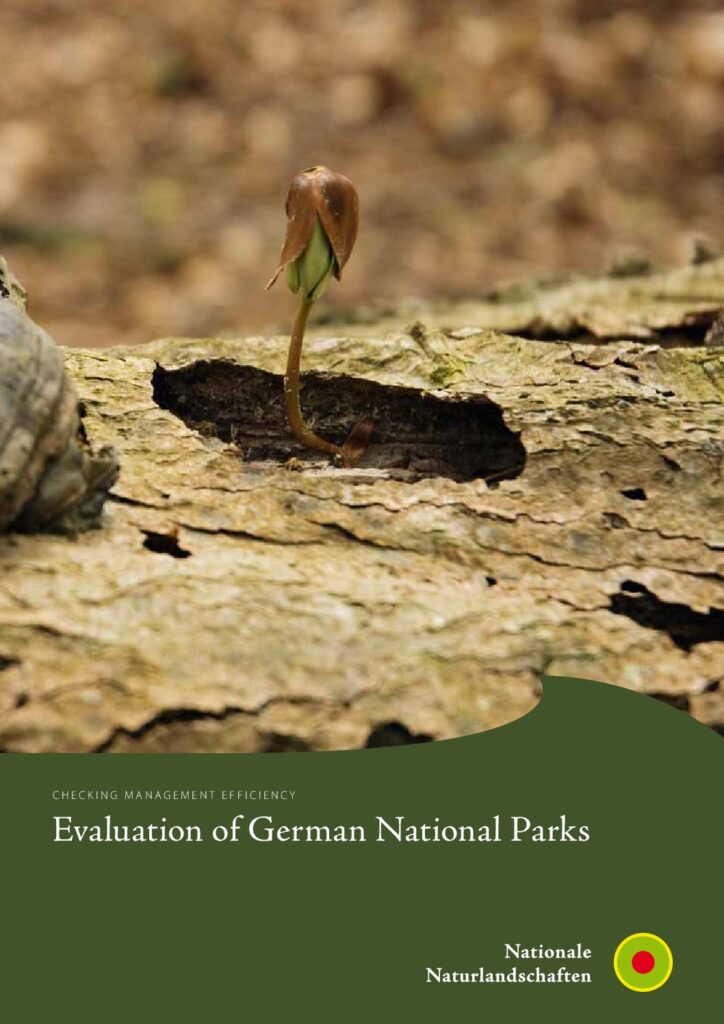
In response to the alarming worldwide decline of biodiversity, in 1992 the Convention on Biological Diversity (CBD) was adopted at the United Nations Conference on Environment and Development (UNCED) in Rio de Janeiro. Germany ratified the Convention in 1993.
Biosphere reserves in Germany
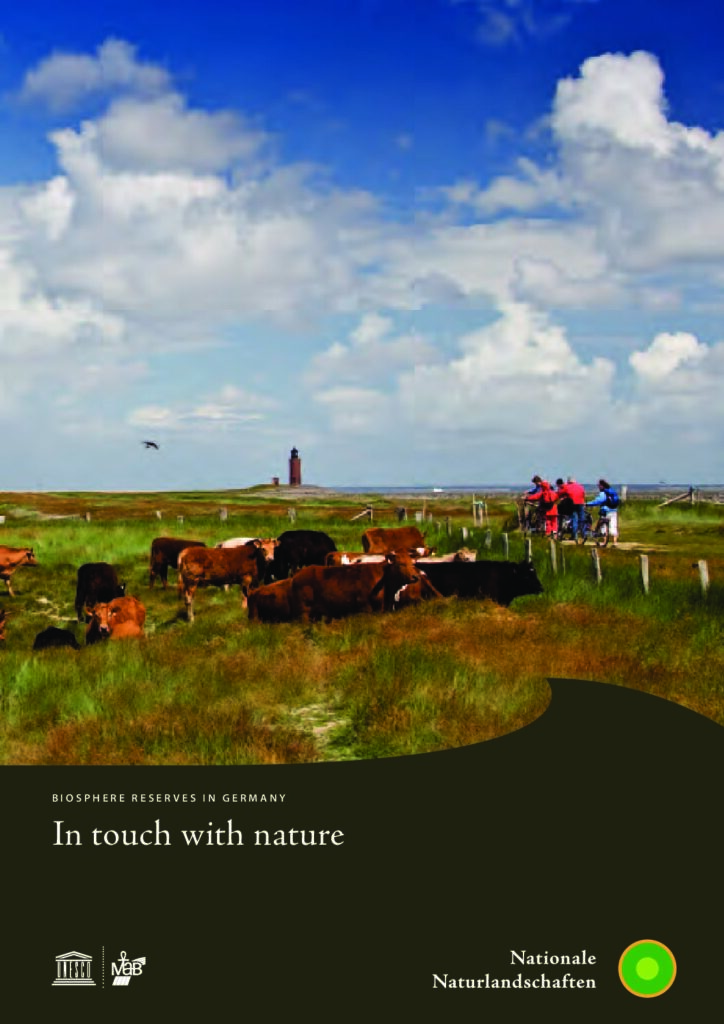
Global changes in climate and balance of nature caused by human intervention, the loss of functional efficiency and species diversity suffered by many ecosystems and the economic and social problems that have emerged in the wake of these developments confront us with enormous challenges today. Biosphere reserves are surely not a cure-all. Yet the serve as concrete examples of potential solutions for the urgent issues facing mankind in the future.
Nature parks in Germany
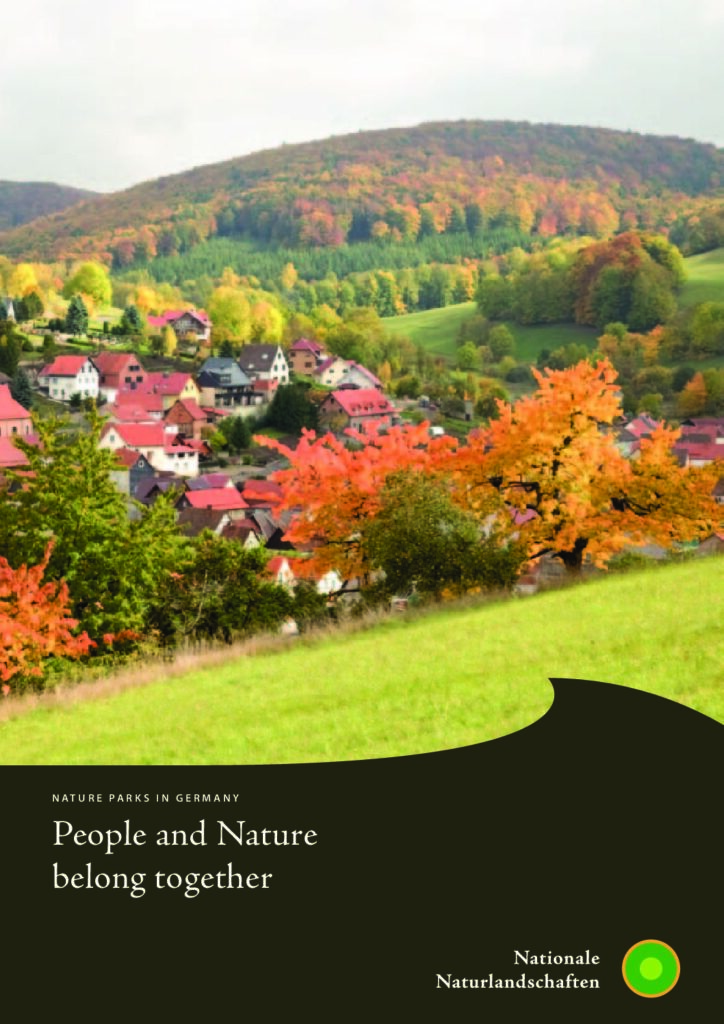
Germany’s rich natural heritage is largely represented by more than 100 Nature Parks. Their combined area exceeds 9.6 million hectares, which means they cover more than a quarter of the total surface area of Germany. Tourism is a key factor for the Nature Parks and also a major economic factor in the region.
Progress report 2009–2011
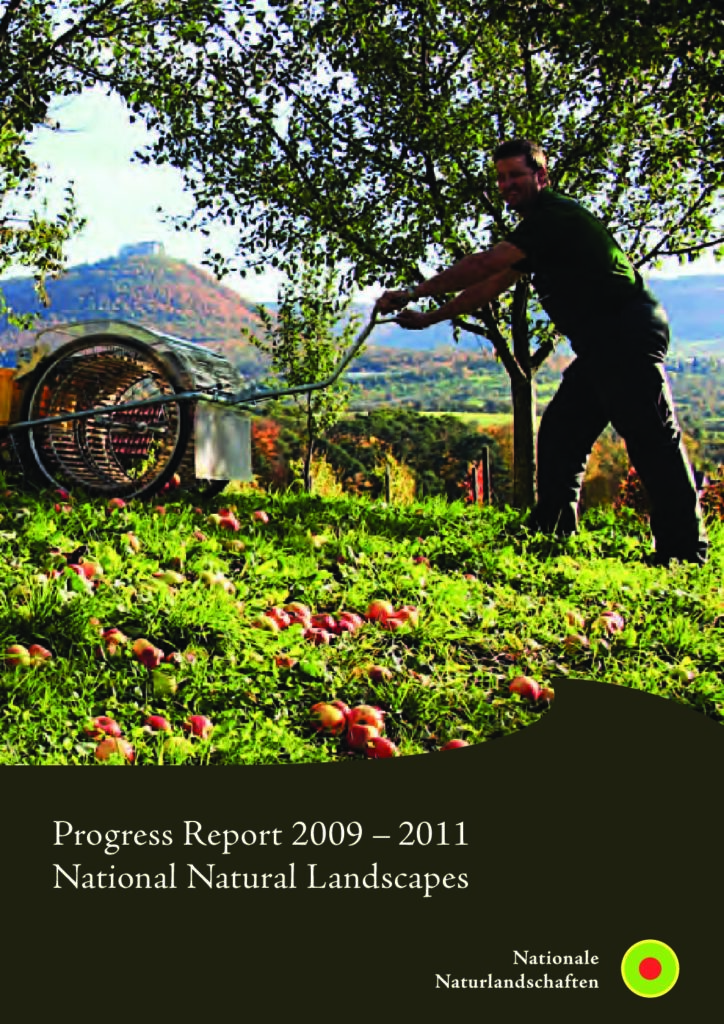
The third EUROPARC progress report on the National Natural Landscapes of Germany clearly shows the successful development of the German protected area system. Recognition of Swabian Alb and Bliesgau as UNESCO biosphere reserves, extension of the biosphere reserve Berchtesgardener Land to include the whole district of that name and the inscription of the Wadden Sea on UNESCO’s World Natural Heritage list were special highlights of a positive development in all of the around 130 National Natural Landscapes.
Volunteer management – planning and practice
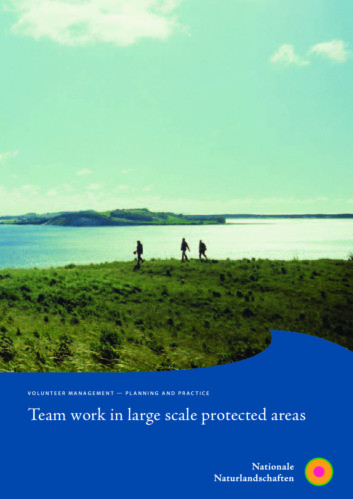
“Together we are strong” – that applies both for the network of Nationale Naturlandschaften (new family brand for the German national parks, nature parks and biosphere reserves) and for their full-time employees. At the same time our team also includes volunteers – dedicated, creative, flexible, qualified and interested people who provide valuable support in the protected areas.
National parks in Germany
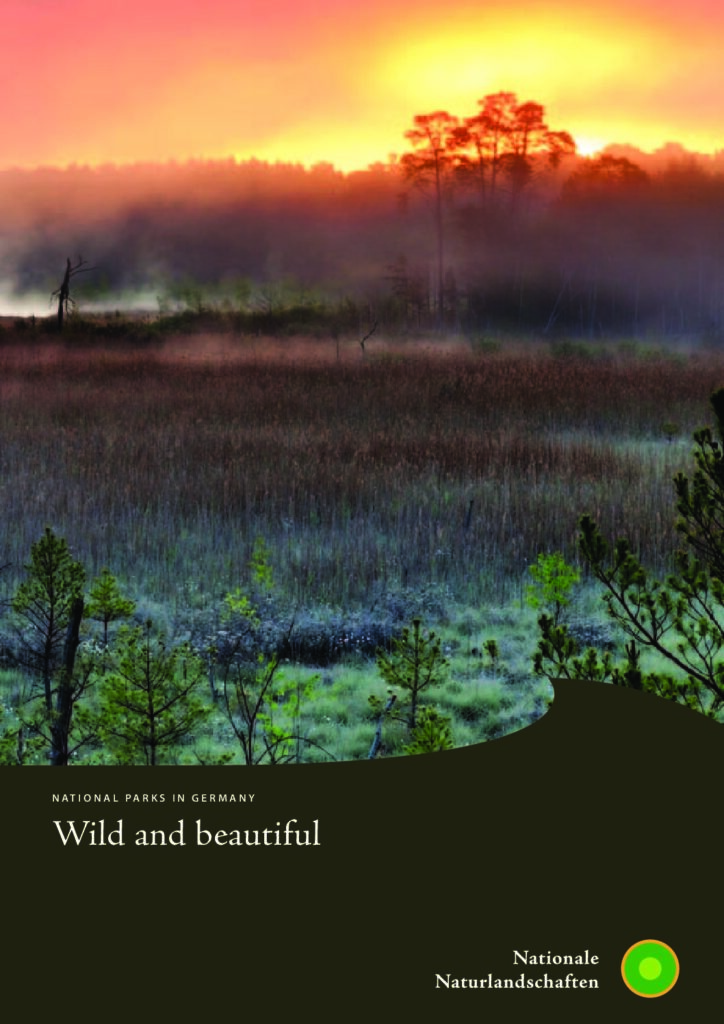
National Parks are in many ways a mirror of a country’s best natural features and, therefore, a particular focus of public perception. The ‘tradition of National Parks’ in Germany is relatively new. However, it can already look back on 40 years.
Quality criteria and standards for German national parks
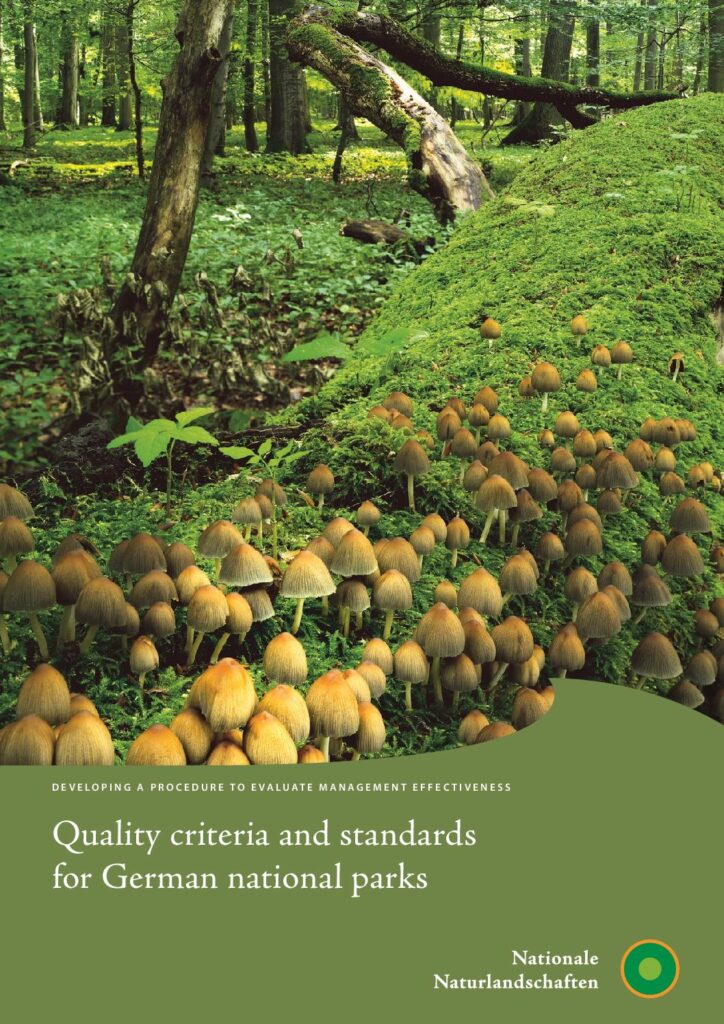
Quality management in protected areas is currently a topic of intense national and international debate among nature conservationists. Why is the development of a quality management strategy – which is a tried and tested instrument to increase efficiency in the business world – relevant for the National Nature Landscapes and in particular for the German national parks? Quality management in protected areas is currently a topic of intense national and international debate among nature conservationists. Why is the development of a quality management strategy – which is a tried and tested instrument to increase efficiency in the business world – relevant for the National Nature Landscapes and in particular for the German national parks?
UNESCO biosphere reserves
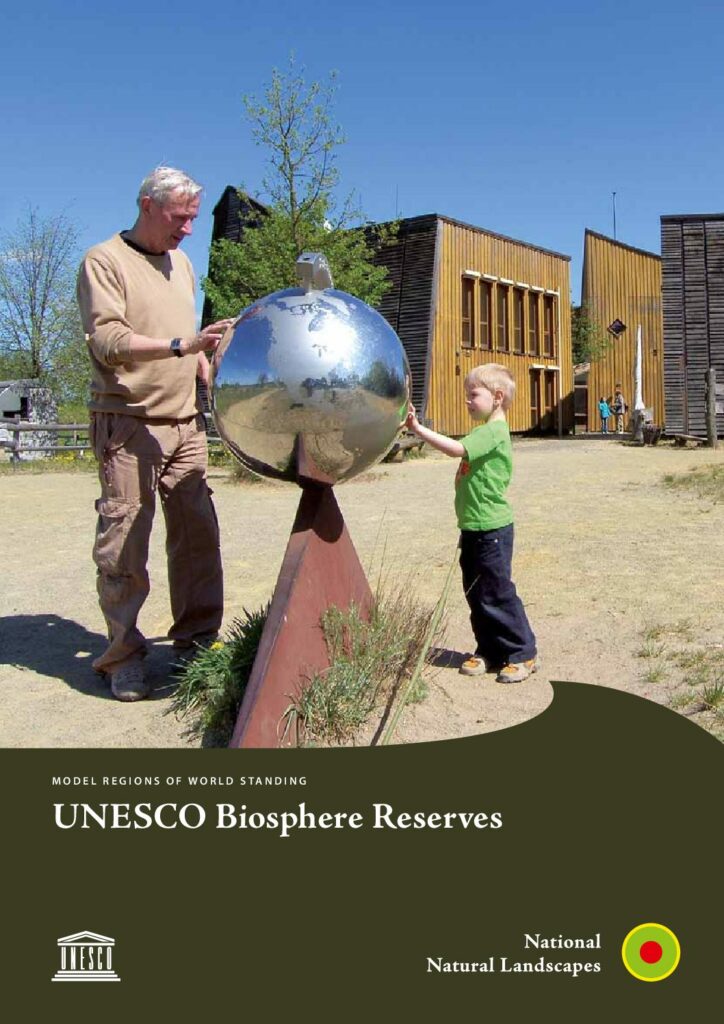
Germany, like other industrialized nations, has to address a number of fundamental challenges. Demographic change will have a particular impact on less densely populated rural regions, where it will cause considerable problems with maintaining the necessary infrastructure in sectors such as education, culture, transport, administration and medical care.