
Wiese
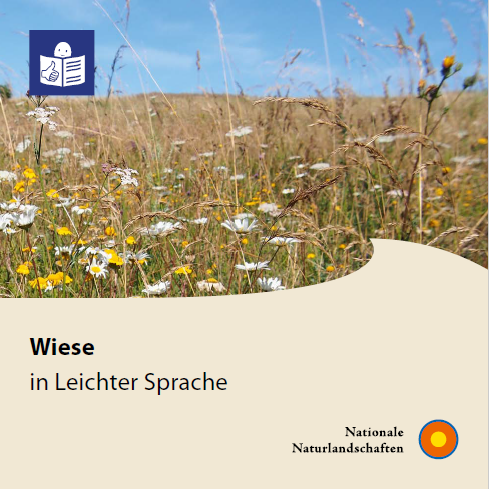
Auf einer Wiese gibt es nur Gras und Blumen.
Es gibt keine Bäume und keine Büsche.
Gras und Blumen brauchen viel Licht.
Deshalb muss man die Wiese mähen.
Beim Mähen schneidet man alle hohen Pflanzen ab.
Dann können Bäume und Büsche nicht wachsen.
Und Gras und Blumen haben genug Licht.
Wald
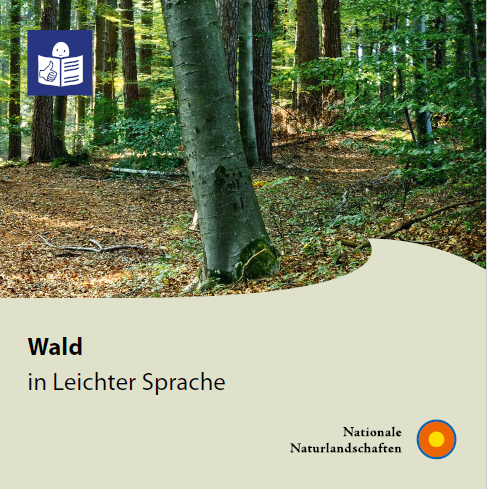
Im Wald gibt es viele Bäume und Büsche.
Sie stehen oft eng nebeneinander.
Deshalb kommt nur wenig Sonnen-Licht
auf den Wald-Boden.
See und Teich
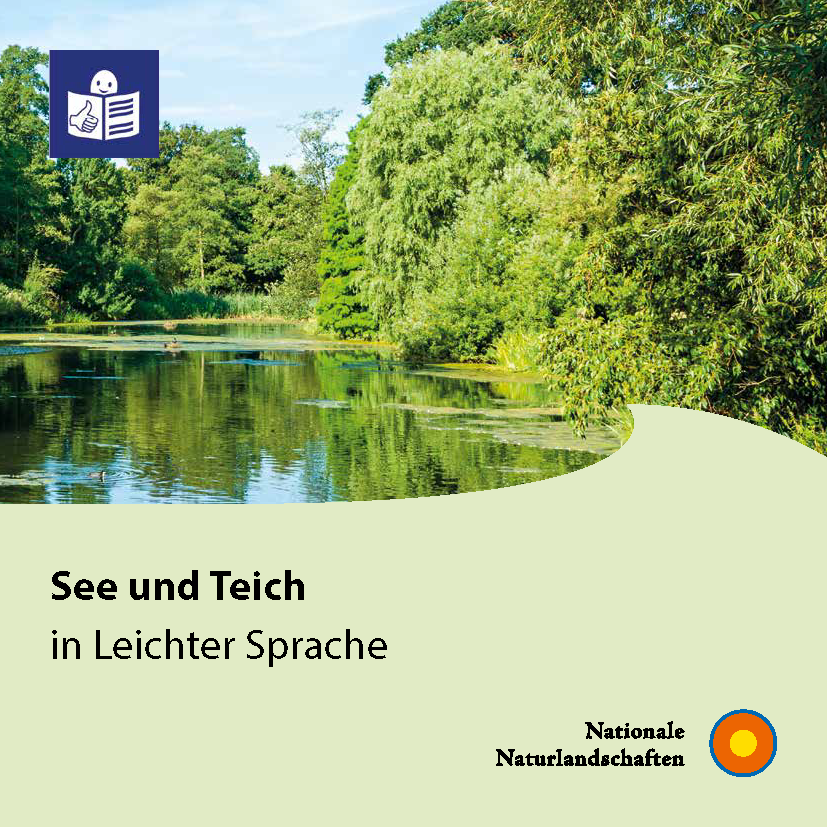
Im See fließt das Wasser kaum.
Das Wasser steht fast still.
Darum heißt ein See auch Still-Gewässer.
Ein See ist durch die Natur entstanden.
Ein See ist tiefer und größer als ein Teich.
Moor
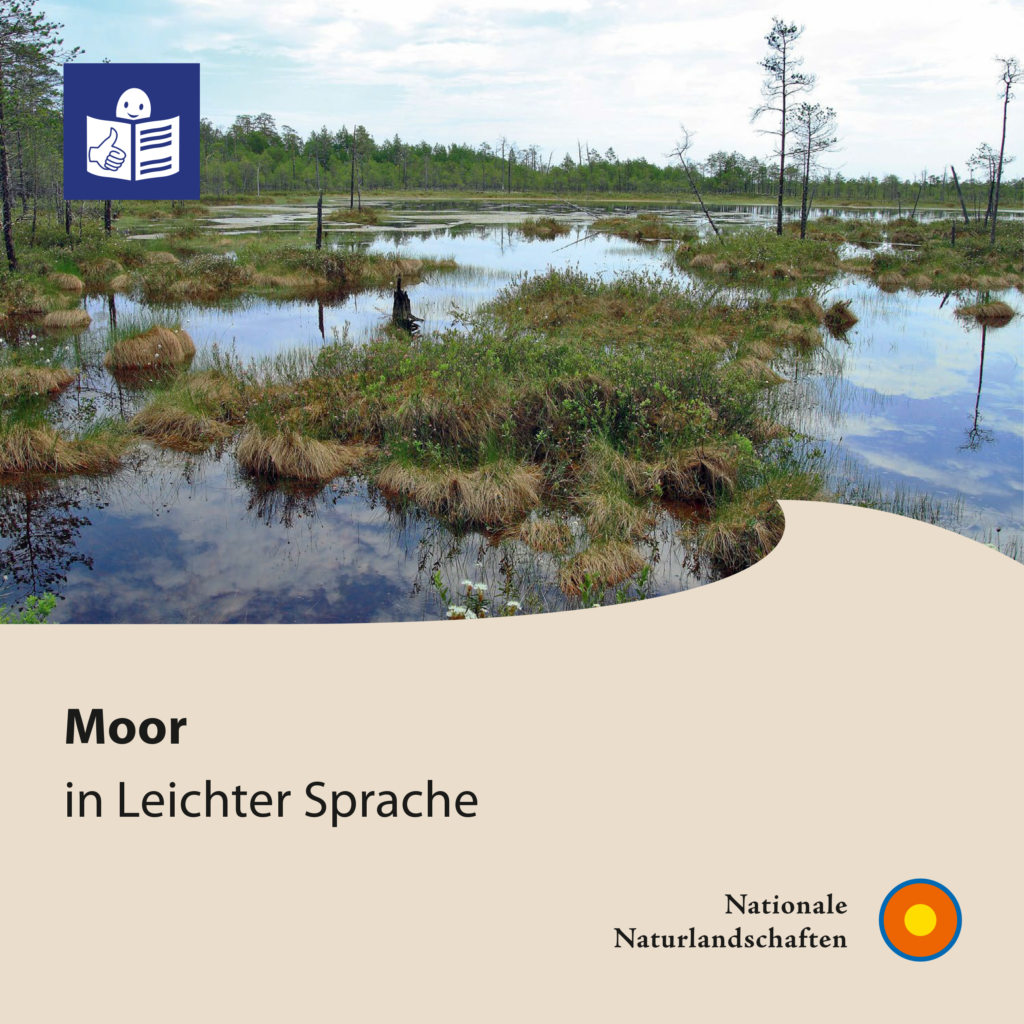
Das Moor ist eine besondere Landschaft:
Der Moor-Boden ist immer nass.
Der Moor-Boden heißt: Torf.
Torf ist eine Schicht aus toten Pfanzen.
Sie sind im Moor-Wasser zusammen·gepresst
zu einer Schicht.
Bach, Graben, Fluss
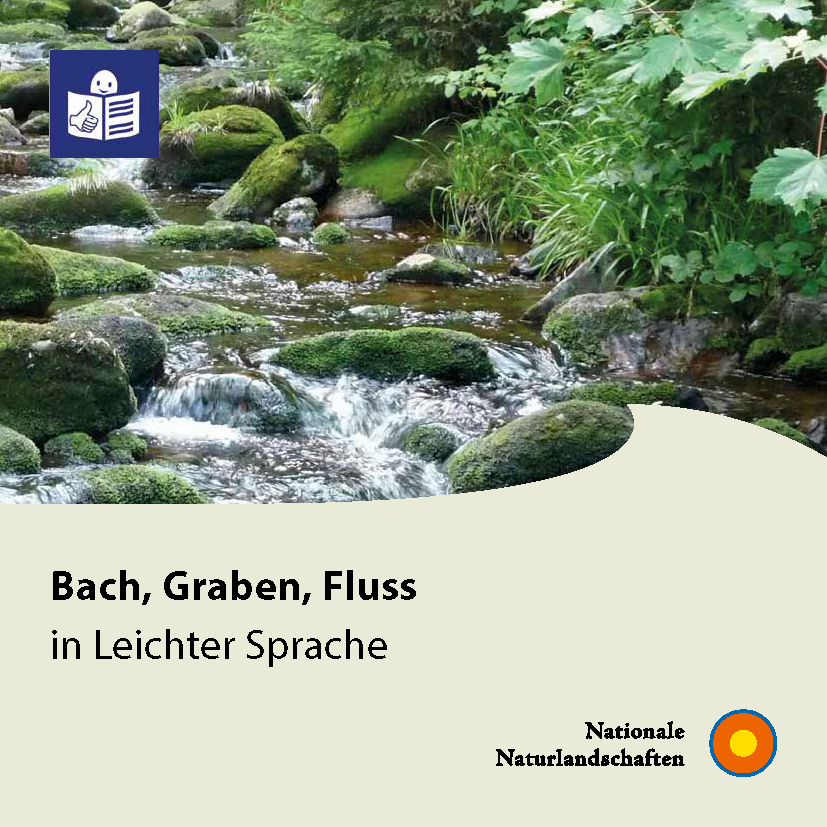
Ein Bach fängt oft an einer Quelle an.
Die meisten Quellen sind im Gebirge.
An der Quelle kommt das Wasser aus dem Boden.
Das Wasser fließt berg-ab und wird ein Gebirgs-Bach.
The German Junior Ranger Program
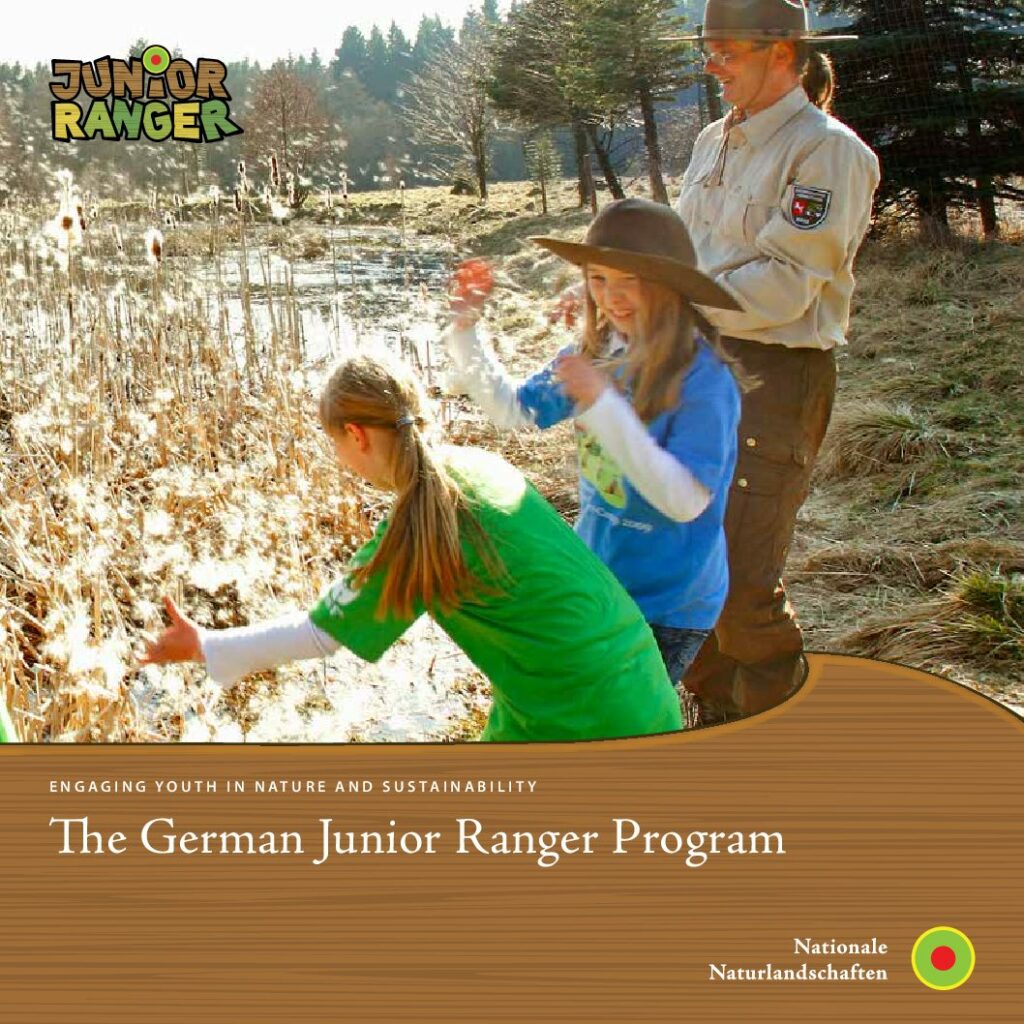
Since 2008, the exciting nationwide Junior Ranger program of EUROPARC Germany and the Nationale Naturlandschaften has sparked interest in children and young people about nature, the environment, and biological diversity.
European protected area conference EUROPARC 2011
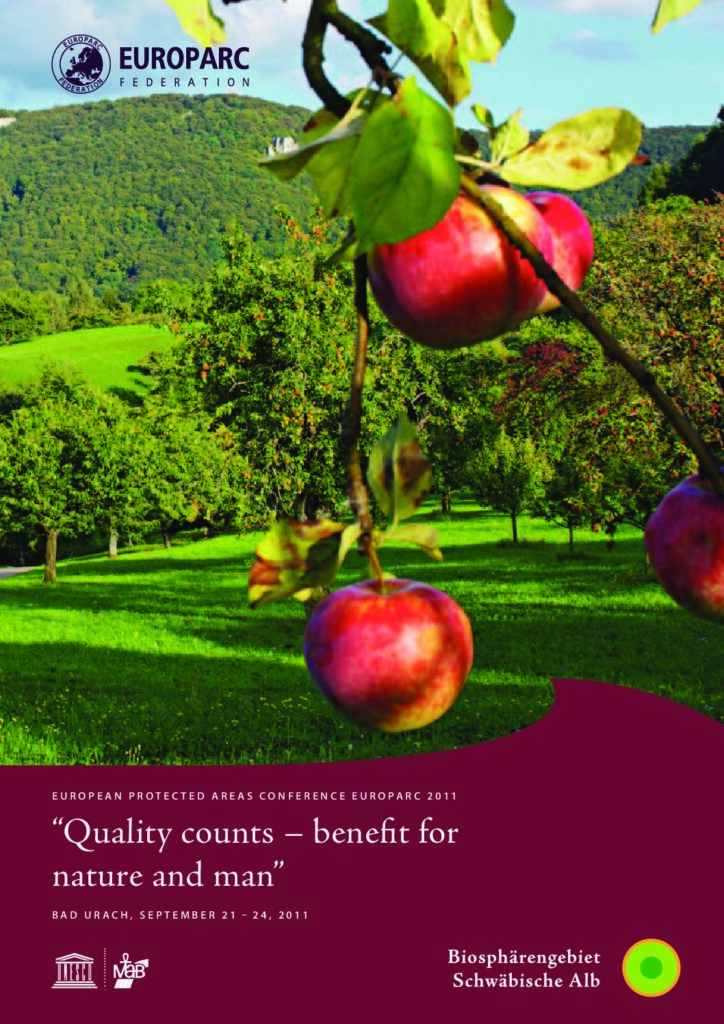
The 2011 conference in Bad Urach was no different with inspiring words from our key note speakers opening the proceedings, called us to consider how protected areas can deliver benefits for Nature and People. Learning from this we now look forward to see how all members and their teams create and participate in new projects and a daily work that leads to a greener society, conservation of Biodiversity and communicating the spirit of Nature. Their words and call to action with the deliberations of the workshops and are represented in this conference report.
National parks in Germany
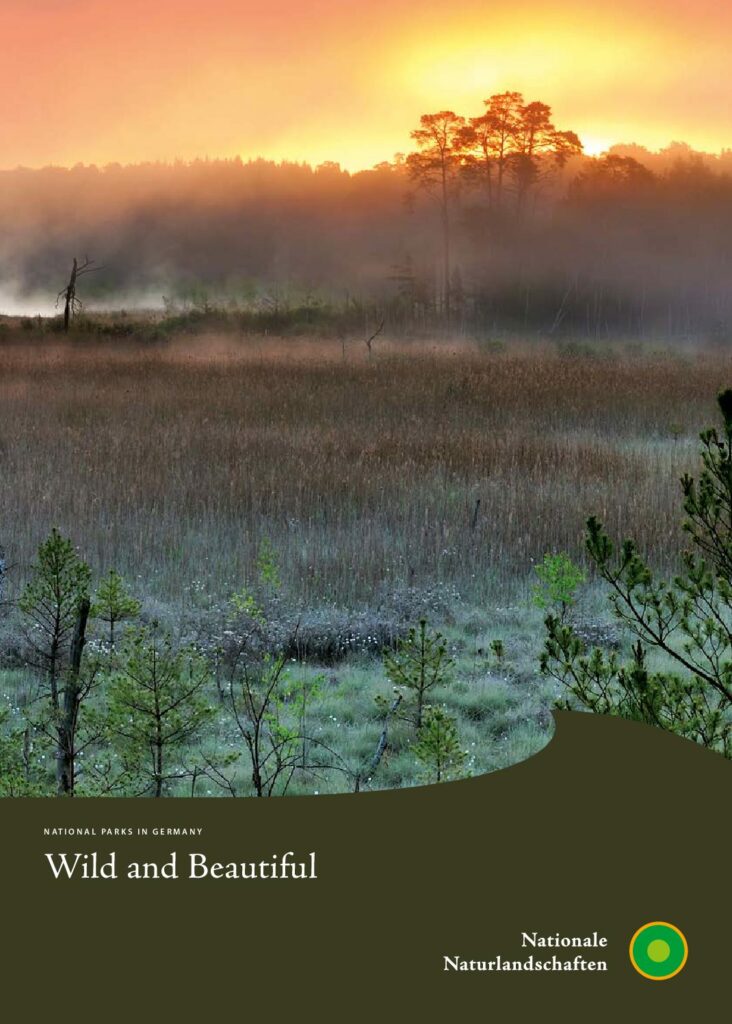
National Parks are a showcase of the natural features of a country. They are at the centre of public awareness. The tradition of National Parks in Germany is relatively young. Now this tradition is nearly 50 years old. The first National Park in Germany was created in 1970 when the Bavarian Forest National Park was designated. National Parks got a special push in 1990 with the help of the National Park programme of the former German Democratic Republic. Now, the 16 designated National Parks in Germany are widely recognised and accepted among large parts of the population.
Biosphere reserves in Germany
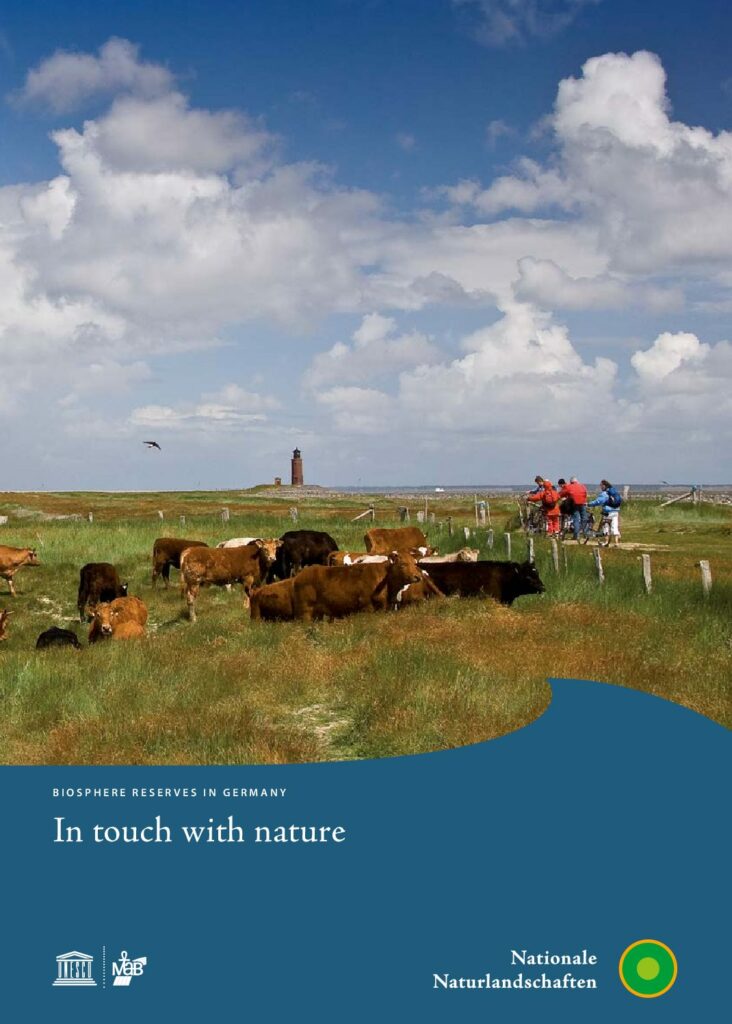
The German UNESCO biosphere reserves represent unique natural and cultural landscapes. These fascinating landscapes and valuable ecosystems extend from the Baltic Sea to the Alps, from Southeast Rügen to Berchtesgaden. Integrated into the worldwide network of UNESCO biosphere reserves, they are internationally representative model regions. They aim to promote and facilitate sustainable development in all economic and other areas of life, in harmony with nature.
Faszination Natur erlebbar machen
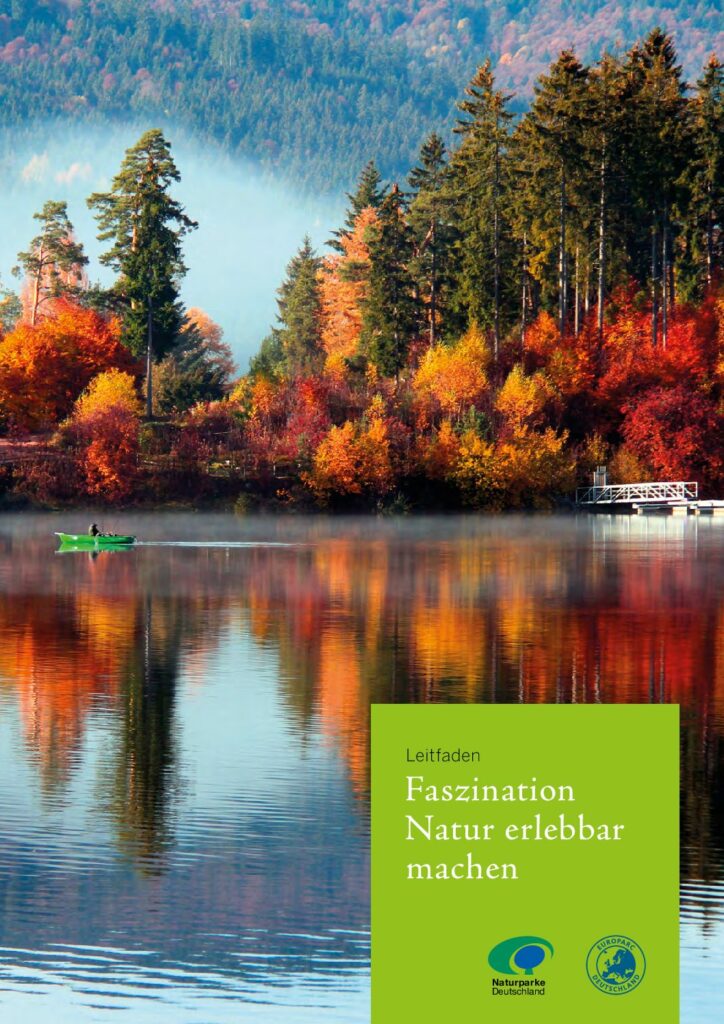
Wir alle wissen, wie wichtig die Naturparke, Nationalparke und Biosphärenreservate für den Tourismus im ländlichen Raum sind. Sie bieten Bewohnern der Region und Gästen eine attraktive Landschaft sowie Möglichkeiten für Erholung und Naturerleben. Sie tragen zur Entwicklung der touristischen Infrastruktur bei und entwickeln selbst touristische Angebote für das Naturerleben.